Have you ever spent hours editing a video — choosing the right clips, tweaking colors, adjusting sound — and then uploaded it only to see it struggle for views? Maybe it got a few likes, maybe some random comments, but deep down you knew it deserved more. That moment hurts, because you know your work had potential.
Here’s the truth that almost every creator learns the hard way:
Great editing alone does not make a video go viral.
Great attention control does.
The Hook, Build, Reward method is a simple storytelling structure that respects how human psychology works in the era of short-form content. It gives you a way to guide the viewer’s mind step-by-step, from curiosity to satisfaction, without losing them in the scrolling chaos.
And the best part?
Anyone — beginners, mobile editors, VN users, CapCut creators, or professional filmmakers — can learn this method.
Let’s break it down in a way that feels real and practical.
Why This Method Actually Works
People don’t scroll because your content is bad.
They scroll because their brain is constantly asking:
“Is this worth my attention right now?”
We live in a world where:
- The average attention span online is less than 3 seconds.
- Viewers decide whether to continue watching before understanding the content.
- Emotion, not logic, decides virality.
If you can control the first emotional response, you can control retention.
That’s where Hook → Build → Reward becomes powerful.
1. The Hook: Win the First Second or Lose Everything
The Hook is not just a catchy beginning.
It’s a promise.
A promise that watching this video will be worth the viewer’s time.
If your first second feels slow, confusing, or predictable, the viewer is gone — no matter how good the rest of the video is.
A strong Hook does at least one thing:
- Surprises the viewer
- Shows a problem instantly
- Creates tension or curiosity
- Makes them feel something fast
- Teases an outcome without giving it away
Real, natural examples:
- “I almost deleted this clip… until I tried something crazy.”
- “This tiny editing mistake destroys half your reels.”
- “Watch what happens when I fix the lighting on this shot.”
Notice:
These don’t sound robotic. They sound human and personal — like a friend talking to you.
Visual Hook tricks that feel emotional:
- Before/after flash frame
- Showing a mistake first
- Fast movement or sudden sound
- A dramatic facial expression
- A mysterious close-up
This is pattern interruption, and it works because humans are wired to notice change.
2. The Build: Keep Curiosity Alive Without Dragging
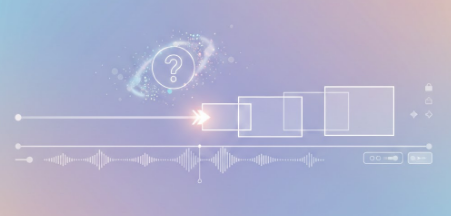
Think of the Build as the “story middle.”
This is where you guide viewers slowly toward the payoff without giving everything at once.
The best Builds feel like you’re letting people in on a secret.
What a natural Build looks like:
- Showing progress step-by-step
- Adding information in simple language
- Using movement to keep momentum
- Teasing what’s coming next
Instead of rushing, try this emotional approach:
- “Here’s where it gets interesting…”
- “Most people miss this part…”
- “If you’re still watching, this is the important step.”
See how that talks to the viewer directly?
It feels human. It creates connection.
Editing strategies in the Build
- Avoid long static shots
- Use subtitles that feel conversational, not robotic
- Add soft sound effects, not just loud transitions
- Keep each clip under 1 sec if possible
Goal:
The viewer shouldn’t feel like they’re watching a tutorial, but like they’re discovering something with you.
3. The Reward: Give Them Something Worth Staying For
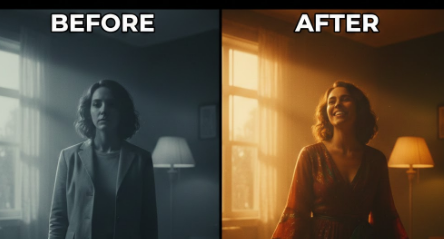
The Reward is not just the ending.
It is the emotional payoff.
When people watch to the end and feel something — surprise, joy, satisfaction, awe, or even relief — they:
✔ like
✔ comment
✔ save
✔ share
✔ follow
This is how videos travel beyond your followers.
Natural, human-feeling reward styles:
- Show the transformation clearly
- Reveal the final result with pride
- Say something honest or personal
- Add a soft music highlight
- Present something useful viewers can copy
Emotional ending lines:
- “I honestly didn’t expect it to turn out this good.”
- “If you try this, DM me your result.”
- “Save this so you don’t forget.”
These are real, friendly, and human — not keyword stuffed.
The Psychology Behind Viral Content (Explained Simply)

Humans hate unfinished stories.
We crave closure.
This method works because it creates:
- Curiosity
- Progress
- Completion
It taps into dopamine loops, the same psychological mechanisms used in:
- Netflix cliffhangers
- Movie trailers
- Gaming reward systems
Your video becomes a mini-story that feels satisfying to finish.
This is why even simple edits can blow up if the structure is good.
Common Mistakes That Kill Virality

Let’s be blunt and human here:
- Long intros are boring
- Over-explaining is exhausting
- Too many effects are distracting
- Slow music kills energy
- Nine-second logos are not necessary
A viral video doesn’t have to be complicated.
It has to feel alive.
People should feel like they are watching something being revealed, not something being explained.
Editing Apps That Make This Easy
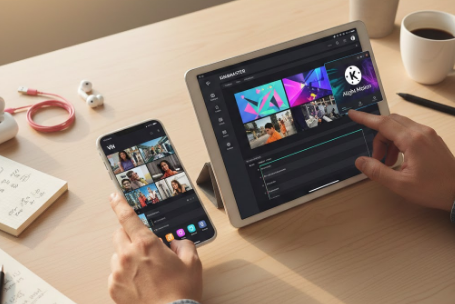
These tools don’t just help — they speed up creativity:
- VN
- CapCut
- InShot
- Kinemaster
- Alight Motion
Emotional tip:
Don’t get stuck trying to be perfect.
Sometimes the “raw” version connects better than the polished one.
A Realistic, Human Workflow
Try this next time you edit:
- Record or select your best ending first
- Build backwards from that moment
- Craft your Hook last (yes, last)
- Keep only the clips that serve the story
- Listen with eyes closed — if audio feels flat, fix it
- Add a personal line at the end, not a generic CTA
This approach feels more natural, like storytelling.
Conclusion: Viral Content Is Not Magic — It’s Empathy
The Hook, Build, Reward method is not a hack, not a shortcut, and not “algorithm manipulation.” It’s a way of respecting your audience and their time.
Viral content comes from:
- Curiosity
- Energy
- Emotion
- Meaning
- Attention
When you create videos that feel human, people don’t just watch…
they remember.
If you can make one viewer think,
“Wow, that was satisfying,”
your content already won.
🧾 FAQ
AQ 1: Does the Hook, Build, Reward method work for all types of videos?
Yes. It works for educational videos, editing tutorials, cinematic clips, travel reels, reactions, lifestyle content, and product showcases. The model fits any story where there is a clear beginning, middle, and payoff.
FAQ 2: How long should a hook last in a short video?
Ideally under two seconds. Most viewers decide instantly whether they want to keep watching. A strong visual or interesting line in the first second makes a huge difference in retention.
FAQ 3: What is the biggest mistake beginners make?
Oversharing too early. Let curiosity breathe. Instead of showing everything at once, reveal information step-by-step and save the best moment for the end.
FAQ 4: Which editing app is best for this structure?
VN and CapCut are excellent because they allow fast cuts, simple transitions, and clean text overlays without complex setup. They make it easy to build momentum naturally.
FAQ 5: How do I add emotion to an edit?
Use sound. Music, breathing room, pauses, subtle transitions, and well-timed effects can turn a normal clip into something memorable. Emotion isn’t in the visuals alone — it’s in rhythm.
I still remember my first reel that went viral. It wasn’t perfect. In fact, the audio cracked a little. But there was something honest in the final reveal. People connected with it, and that taught me the real secret: emotion travels faster than perfection.